MSDS Number: pen13388
Drakeol(r) mineral oil - 34
MSDS Number: pen13388
version date: 07/26/01
Product Name: drakeol(r) mineral oil
Synonyms: drakeol(r) 19, 21, 25, 32, 34, 34a, 35, 350, 400
Manufacturer:
Penreco
138 petrolia street
Karns City, PA 16041-9799
USA
Medical Emergency: 1-800-342-5119 or 1-281-493-2767
Transport Emergency: Infotrac (800)535-5053
MSDS Assistance: 1-281-293-5550
Internet Address: www.conoco.com
-
EMERGENCY OVERVIEW ------------------------------
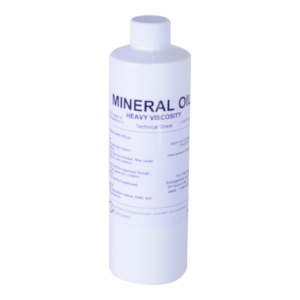
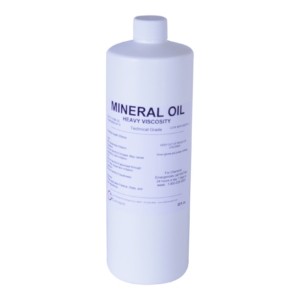
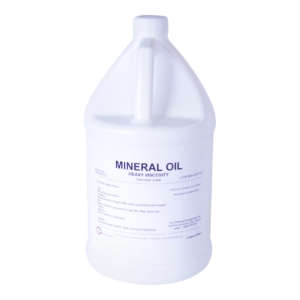
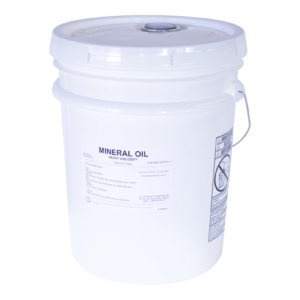
Appearance / Odor: transparent water-white liquid / odorless.
OSHA Regulatory Status: this material is not hazardous according to the OSHA hazard communication standard, 29cfr 1910.1200.
HMIS Ratings: health 0; flammability 1; reactivity 0.
NFPA Ratings: health 0; flammability 1; instability 0.
------------------------------
Potential Health Effects
Primary Route of Exposure: Skin.
Eye Contact: this product is minimally irritating to the eyes upon direct contact. Based on testing of similar products and/or components.
Skin Contact: This product is not expected to cause any skin irritation upon direct single or repeated and prolonged contact; however, similar chemical composition products applied to the skin of laboratory animals resulted in minimal to slight dermal irritation.
Inhalation: This product has a low vapor pressure and is not expected to present an inhalation hazard at ambient conditions. Caution should be taken to prevent aerosolization or misting of this product. See section 8 for oil mist exposure limits.
Ingestion: This product is relatively non-toxic by ingestion unless aspiration occurs. This product has laxative properties and may result in abdominal cramps and diarrhea.
Other: Exposure to a large single dose, or repeated smaller doses of mineral oil by inhalation, aspiration or ingestion leading to aspiration can lead to lipid pneumonia or lipid granuloma. These are low-grade, chronic, localized tissue reactions which are not fatal. Shortness of breath and cough are the most common symptoms.
See section 11 - toxicological information.
Eye Contact: Immediately flush eyes with large amounts of water and continue flushing until irritation subsides. If material is hot, treat for thermal burns and seek immediate medical attention.
Skin Contact: Remove contaminated clothing. If material is hot, submerge injured area in cold water. If victim is severely burned, remove to a hospital immediately.
Inhalation: This material has a low vapor pressure and is not expected to present an inhalation exposure at ambient conditions.
Ingestion: May act as a laxative. Do not induce vomiting due to aspiration hazard. If vomiting should occur, lower head below knees to avoid aspiration. Seek immediate medical attention.
-
Flammable Properties
Flash Point: >370 f (187.8 C)
Test Method: astm d-92 (coc)
Flammable limits in air
- upper Percent: no data available
- lower Percent: no data available
Autoignition Temperature: no data available
Extinguishing Media: use dry chemical, foam, or carbon diOxide.
Fire Fighting Measures:
- Special Fire Fighting Procedures: water may be ineffective but can be used to cool containers exposed to heat or flame. Caution should be exercised when using water or foam as frothing may occur, especially if sprayed into containers of hot, burning liquid.
- Unusual fire and explosion conditions: dense smoke may be generated while burning. Carbon monOxide, carbon dioxide, and other Oxides may be generated as products of combustion.
Personnel Safeguards: Consult health effect information in section 3, personal protection information in section 8, fire and explosion information in section 5, and stability and reactivity information in 10. Remove all sources of ignition.
Regulatory Notifications: Notify appropriate authorities of spill.
Containment and Clean Up: Contain spill immediately. Do not allow spill to enter sewers or watercourses. Absorb with appropriate inert material such as sand, clay, etc. Large spills may be picked up using vacuum pumps, shovels, buckets, or other means and placed in drums or other suitable containers.
Handling: Avoid breathing vapors or mist. Avoid contact with eyes. Avoid prolonged or repeated contact with skin. Wash thoroughly after handling. Wash clothing prior to reuse. May be slippery when spilled.
Fire extinguishers should be kept readily available. See NFPA 30 and OSHA 1910.106--Flammable and combustible liquids.
Storage: Do not transfer to unmarked containers. Store in closed containers away from heat, sparks, open flame, or oxidizing materials.
This product does not contain any components with OSHA or ACGIH exposure limits. If oil mist is generated, exposure limits apply.
Oil mist OSHA pel: twa 5 mg/m3
ACGIH TLV: twa 5 mg/m3; stel 10 mg/m3
Personal Protective Equipment
Eye/face Protection: Eye protection is not required under conditions of normal use. If material is handled such that it could be splashed into eyes, wear plastic face shield or splash-proof safety goggles.
Skin Protection: No skin protection is required for single, short duration exposures. For prolonged or repeated exposures, use impervious clothing (boots, gloves, aprons, etc.) Over parts of the body subject to exposure. If handling hot material, use insulated protective clothing (boots, gloves, aprons, etc.).
Respiratory Protection: Respiratory protection is not required under conditions of normal use. If vapor or mist is generated when the material is heated or handled, use an organic vapor respirator with a dust and mist filter. All respirators must be NIOSH certified.
Personal Hygiene: Consumption of food and beverage should be avoided in work areas where hydrocarbons are present. Always wash hands and face with soap and water before eating, drinking, or smoking.
Engineering controls / work practices
Ventilation: If vapor or mist is generated when the material is heated or handled, adequate ventilation in accordance with good engineering practice must be provided to maintain concentrations below the specified exposure or flammable limits.
Appearance: transparent, water-white liquid
Odor: odorless
vapor Pressure: <1 mm hg @ 68 f
Vapor Density (air=1): >1
Evaporation Rate (ee=1): <1
pH: No data available
percent volatile by volume: Nil
Boiling Point: 590 f (310 c)(approximate)
Volatile Organic Content: No data available
Melting Point: Not applicable
Molecular Weight: No data available
Specific Gravity: 0.86-0.88 @ 60/60 F
Average Carbon Number: No data available
Pour Point: No data available
viscosity @ 100 f: No data available
viscosity @ 40 c: No data available
Solubility: insoluble in water; soluble in hydrocarbons
Chemical Stability: Stable.
Conditions to Avoid: Heat, sparks, flame.
Incompatible Materials to Avoid: May react with strong oxidizing agents.
Hazardous Decomposition Products: Carbon monoxide, carbon dioxide, and other Oxides may be generated as products of combustion.
Hazardous Polymerization: Will not occur.
-
Carcinogenicity: the international agency for research on cancer (IARC) has concluded that highly refined mineral oils are group 3 substances, "not classifiable as to their carcinogenicity to humans," based on inadequate human and inadequate animal evidence. IARC has also concluded that there is no evidence for the carcinogenicity to experimental animals of white oils when administered by routes other than by intraperitoneal injection. This product is not carcinogenic according to the OSHA hazard communication standard.
No Information Available
-
Regulatory Information: All disposals must comply with federal, state, and local regulations. The material, if spilled or discarded, may be a regulated waste. Refer to state and local regulations. CAUTION! If regulated solvents are used to clean up spilled material, the resulting waste mixture may be regulated. Department of transportation (dot) regulations may apply for transporting this material when spilled.
Waste Disposal Methods: Waste material may be landfilled or incinerated at an approved facility. Materials should be recycled if possible.
U.S. Department of transportation (DOT)
Highway / rail (bulk): Not regulated
Highway / rail (non-bulk): Not regulated
The DOT description is provided to assist in the proper shipping classification of this product and may not be suitable for all shipping descriptions.
International information
Vessel (imdg): Not regulated
Air (icao): Not regulated
Inventories:
Australian (aics): listed.
Canadian (dsl): listed.
Chinese: listed.
European ec/einecs: listed.
Japanese encs: listed.
Korean (kcl): listed.
Philippine (piccs): listed.
U.S. (TSCA): listed.
U.S. SARA section 313: This product is not known to contain any SARA, title iii, section 313 reportable chemicals at or greater than 1.0% (0.1% For carcinogens). U.S. SARA 311 / 312 categories
Acute:
Chronic:
Fire:
Pressure:
Reactive:
not regulated: x
Canadian WHMIS Classification: Not a Controlled Product under WHMIS.
Additional Information: None available.
Prepared By: MSDS coordinator
Conoco inc.
P.O. Box 2197
Houston, TX 77252
The data in this material safety data sheet relates only to the specific material designated herein and does not relate to use in combination with any other material or in any process. # Indicates revised section.
|